
News and publication
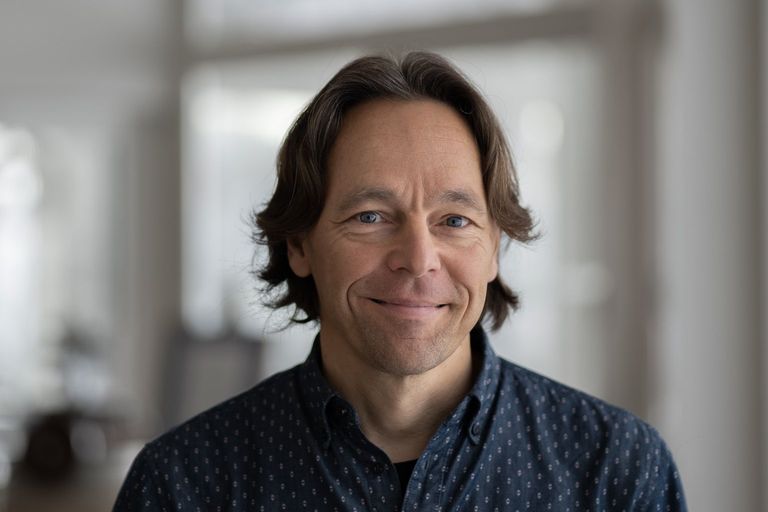
Checking in with… Jochen Markard
During its spring session, the Council of States voted in favour of the indirect counter-proposal to the Blackout Initiative. The construction of new nuclear power stations is to be permitted once again in Switzerland. Jochen Markard is co-author of the report “Prospects for Nuclear Energy in Switzerland” and provides an overview of the latest findings and developments in the field of nuclear energy.
Immagine: ETH ZürichHOTSPOT 53/26 «Milieux aquatiques sous surveillance »
Les milieux aquatiques sont par essence dynamiques et réactifs. Les pressions qu’ils subissent témoignent de l’ampleur de nos sollicitations à leur égard : exploitation hydroélectrique, agriculture, changement climatique ou encore rejets d’eaux usées et micropolluants. Leurs réactions reflètent les interactions complexes entre processus naturels et actions humaine, que ce soit en termes de qualité, de température et d’écoulement de l’eau ou encore de composition de la faune et de la flore.
Immagine: Forum Biodiversität Schweiz
Save the date: Forum Climat Suisse 2026
Le 3e « Forum Climat Suisse – Faire face aux changements climatiques » aura lieu le 29 octobre 2026 au Zentrum Paul Klee à Berne avec pour thème «Bases décisionnelles pour l'adaptation». L'accent sera mis sur la clôture du programme NCCS-Impacts, avec la présentation et la discussion des principaux résultats.
Immagine: NCCSInformation Biodiversité Suisse IBS n° 194
La diversité végétale des prairies pauvres en espèces du Plateau peut être restaurée
Immagine: Forum Biodiversität SchweizJahresbericht 2025: Forschungskommission des Schweizerischen Nationalparks
Arbeitsberichte zur Forschung im Schweizerischen Nationalpark, im Regionalen Naturpark Biosfera Val Müstair und im UNESCO Biosphärenreservat Engiadina Val Müstair.

Landscape News 04|2026
Anmeldung offen: Treffen wir uns am 5. Schweizer Landschaftskongress? Neue Podcastfolge: Ein Gespräch zu Landschaften im Klimawandel Événement sur l'approche territoriale de la LAT 2 : une chance pour la qualité du paysage – inscriptions ouvertes !